

Homeopathy for Kidney Stones
Homeopathy offers a natural, non-invasive approach to treating kidney stones by focusing on individualized remedies tailored to each patient’s unique symptoms and constitution. Commonly used homeopathic medicines for kidney stones include Berberis vulgaris, Lycopodium clavatum, and Sarsaparilla, which aim to gently dissolve stones, relieve pain and restore kidney function without the side effects often associated with conventional treatments. This holistic method not only addresses acute symptoms but also works to prevent recurrence by treating underlying causes and supporting the body’s self-healing abilities. Homeopathy is considered safe and effective for many patients, especially for small to moderate stones, but consultation with a qualified practitioner is essential for optimal results and to rule out the need for surgical intervention in severe cases.
Book an appointment
Skin Consultation includes
3000+ Got Treated
12+ Yrs Experience
7 Clinics in KA
30+ Certified Doctors
Why choose us?
We always strive to give the Best Result with 100% Patient Satisfaction.
Provitale is the leading Homeopathy and aesthetic Clinic, located in the heart of Bangalore, Belgaum, Davanagere, under the direction of Well experienced Dr. Shilpa Vikas, a well known renowned homeopathic Doctor having 12+ yrs Exp in industry.
Provitale is the one of the most advanced and highly moderated Homeopathy clinics in Karnataka with an in-house Pharmacy wing. Which has made our system much more excellence and mindful than most others in the homeopathic practice category. There are many other similar clinics but Provitale health stands apart for providing the best results and complete guarantee of treating any form of diseases at the early stages.
Book a Free Appointment
KIDNEY DISORDERS
Types of Treaments

Chronic UTI

Hydronephrosis
Renal Cysts
Homeopathy Treatments for kidney stones
"Understanding the Different Types of Kidney Stones”
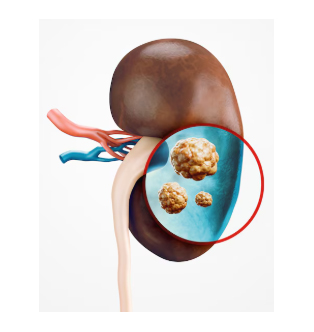
Kidney stones are hard mineral deposits that form in the kidneys and can cause severe pain and urinary issues. There are four main types of kidney stones, each with distinct causes and characteristics:
Calcium Stones: The most common type, usually made of calcium oxalate or calcium phosphate, often linked to high calcium or oxalate levels in the urine.
Uric Acid Stones: Form when urine is too acidic, often associated with high-protein diets, dehydration, or conditions like gout.
Struvite Stones: Also known as infection stones, these develop in response to urinary tract infections and can grow quickly, sometimes becoming quite large.
Cystine Stones: The rarest type, caused by a hereditary disorder called cystinuria, which leads to excess cystine in the urine.
Understanding the type of kidney stone is important for effective treatment and prevention, as each type may require different dietary changes, medications, or interventions.
Homeopathy Treatments for Kideny Stones
Why Choose Homeopathy for Kidney Stones?
Homeopathy offers a gentle, individualized approach to treating kidney stones, focusing on both symptom relief and the underlying causes of stone formation. Remedies are selected based on the patient’s unique symptoms, stone location, and overall health.
Berberis Vulgaris is one of the most widely used homeopathic medicines for kidney stones, especially effective for relieving pain, burning sensations, and discomfort radiating from the kidneys to the bladder and thighs. It can help dissolve mild stones and ease their passage through the urinary tract.
For right-sided kidney stones, Lycopodium clavatum is often prescribed, especially when symptoms include severe backache before urination and red or yellow sediments in the urine. This remedy has shown success in dissolving stones and preventing the need for surgery.
Hydrangea arborescens, known as the “stone breaker,” is used when there are white sediments in the urine, frequent urges to urinate, and sharp back pain. It is valued for its ability to dissolve and expel stones, especially in recurrent cases.
Homeopathic treatments are typically safe and free from side effects when used under the guidance of a qualified practitioner. Dosages and remedies are tailored to each individual, and ongoing care may help prevent recurrence of stones.
Consultation with a professional homeopath is essential to ensure the correct remedy and potency, as well as to monitor progress and avoid complications.
Advantages of Homeopathic Treatment for kidney stones
Non-invasive: No surgery or harsh procedures required.
Minimal side effects: Remedies are highly diluted and generally safe when prescribed by a qualified practitioner.
Holistic: Addresses not just the physical symptoms but also the patient’s emotional and constitutional factors.
Prevention-focused: Aims to reduce the risk of recurrence by treating underlying causes and metabolic tendencies
Key homeopathic remedies for kidney stones
Berberis vulgaris: Effective for sharp, radiating pain and left-sided stones.
Lycopodium clavatum: Useful for right-sided pain, urinary sediment and bloating.
Hydrangea arborescens: Known as the “stone breaker,” helps dissolve stones and prevent recurrence, especially when white or yellow sediments are present in urine.
Cantharis vesicatoria: Relieves intense burning during urination and blood in the urine.
Sarsaparilla: Helpful when pain is most severe at the end of urination.
Homeopathic treatment is tailored to each patient’s unique symptoms and may be used alongside lifestyle changes such as increased hydration, dietary adjustments, and regular exercise to further reduce the risk of new stones forming. While homeopathic remedies can be effective for many, they should be used under the guidance of a qualified practitioner and are not a substitute for urgent medical care in severe cases.
Is Homeopathy a Safe kidney stones Treatment?
Homeopathy is widely regarded as a safe and effective treatment option for kidney stones, offering a natural, holistic approach with minimal to no side effects. Homeopathic remedies such as Berberis vulgaris, Lycopodium clavatum and Sarsaparilla are commonly used to help dissolve stones, relieve pain, reduce inflammation and promote healing. Clinical studies and patient experiences indicate that homeopathy can reduce symptoms, improve quality of life and even help prevent the recurrence of kidney stones. While homeopathy can be used alongside conventional treatments for comprehensive care, it is important to consult a qualified practitioner for individualized treatment, especially in cases of larger stones or severe symptoms. Further research is ongoing, but current evidence supports homeopathy as a safe complementary approach for managing kidney stones.